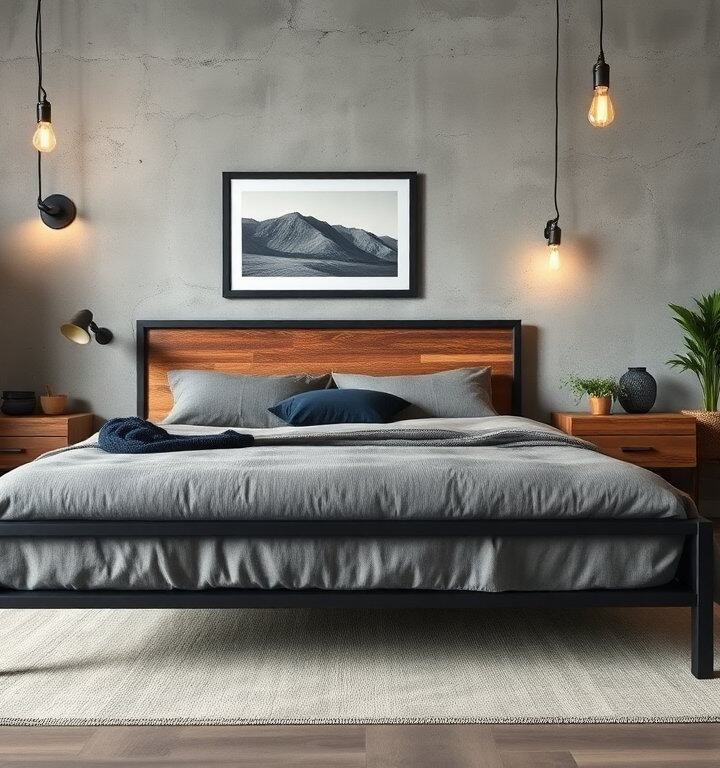
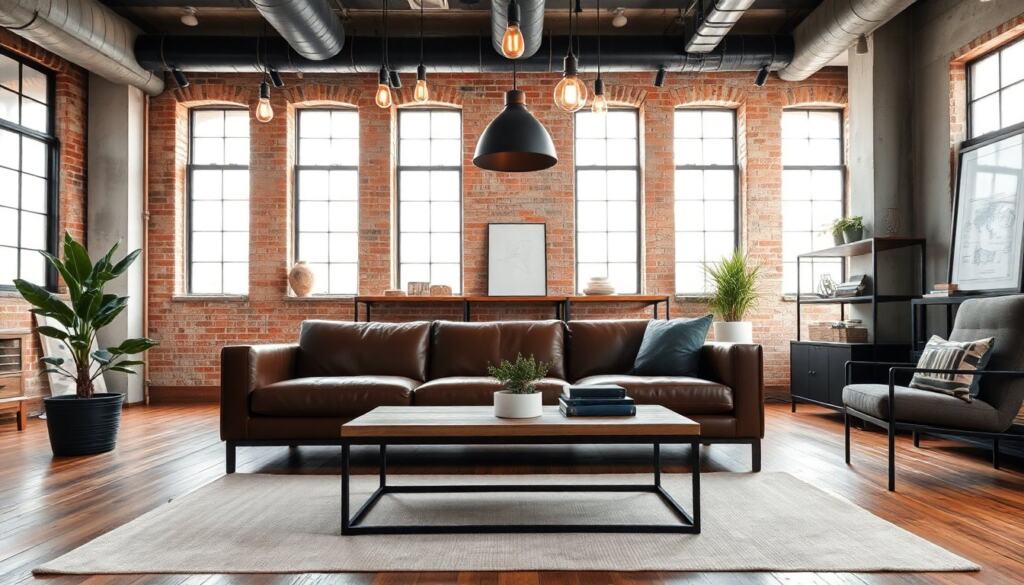
The industrial style living room starts with honest materials and clear lines. It uses exposed structure, metal, and wood to create a lived-in modern feel. This guide shows key choices in materials, color, layout, lighting, and styling. It gives direct steps and practical tips. Readers will learn what to buy, what to keep, and how to maintain the look with low fuss.
Key Takeaways
- An industrial style living room features honest materials like exposed brick, metal, and reclaimed wood to create a modern, lived-in feel.
- Use a neutral color palette with deep grays, soft browns, and warm blacks, adding occasional accent colors like rust or deep blue for subtle contrast.
- Choose functional furniture with simple profiles such as low leather sofas, metal-framed armchairs, and solid wood tables to anchor the space.
- Layer textures—rough brick, smooth metal, distressed wood, and soft textiles—to prevent the industrial style living room from feeling cold or flat.
- Incorporate varied lighting like metal pendant lights, floor lamps, and Edison bulbs with dimmers to highlight materials and set mood.
- Budget-friendly tips include using faux concrete paint, brick veneer, and refinished pallet wood, while maintenance involves regular cleaning and protective measures to preserve the industrial look.
Core Elements Of Industrial Living Room Design
Industrial style living room design rests on a few clear elements. It keeps structure visible. It pairs raw surfaces with clean forms. It favors wide open plans and high ceilings where possible. It uses concrete or brick as a backdrop. It adds metal or black accents for contrast.
They choose a neutral palette with deep grays, soft browns, and warm blacks. They add natural light to soften the scene. They mix scale: a large sofa, a slim coffee table, and oversized art. They favor function: shelves hold storage, not clutter. Durable textiles like leather and heavy cotton fit the use.
An industrial style living room balances rough and refined. It shows beams, ducts, or brick without letting them overpower the space. It uses furniture with simple profiles. It keeps decor sparse and intentional. In short, it builds a space that looks honest and livable.
Materials, Color Palette, And Texture Choices
Materials make the industrial style living room read as real. Concrete, exposed brick, and reclaimed wood serve as primary surfaces. Metal in steel or black iron provides edges and structure. Natural fibers add comfort. A wool rug or linen throw reduces perceived coldness.
Color choices stay close to neutrals. They use charcoal, ash gray, clay, and deep tan. They add a single accent color, such as rust or deep blue, in small doses. They avoid bright pastels and glossy finishes. Matte paint and raw wood keep the mood grounded.
Texture plays a key role. Rough brick contrasts with smooth metal. Distressed wood balances soft textiles. Leather adds both texture and durability. They layer textures: a concrete wall, a wooden floor, and a woven rug. This approach keeps the industrial style living room from feeling flat.
They select finishes for use. A sealed concrete floor reduces dust. Powder-coated metals resist chips. Oiled wood ages well and hides wear. These choices extend life and reduce maintenance.
Furniture, Layout, Lighting, And Styling Strategies
Furniture choices anchor the industrial style living room. They pick low, roomy sofas in leather or canvas. They add one or two armchairs with metal frames. A solid wood coffee table or a metal-topped table creates a focal point. They use open shelving for storage and display.
Layout stays functional. They place seating to allow conversation and sight lines to windows. They leave clear walkways. They position large pieces against walls to open central space. They use rugs to define zones in open plans.
Lighting defines mood and highlights materials. They mix ambient, task, and accent light. Pendant lights with metal shades suit high ceilings. Floor lamps with adjustable arms provide reading light. Exposed bulbs or Edison-style bulbs add warmth but require dimmers for control.
Styling stays minimal and curated. They choose a few large pieces of art instead of many small items. They favor objects with a story: a vintage factory stool or a framed blueprint. Plants in simple pots add life and soften edges. They avoid heavy ornamentation to keep focus on structure and texture.
They integrate modern tech discreetly. A slim media cabinet or wall-mounted TV keeps the look uncluttered. Wiring hides behind channels or inside furniture. They match metal finishes across fixtures and hardware for coherence.
Budget-Friendly Finishes, Maintenance, And Practical Tips
They can get the industrial style living room without a big budget. Paint a wall with faux concrete paint instead of full resurfacing. Use brick veneer to mimic exposed brick. Refinish pallet wood for shelves and a coffee table. Shop secondhand for metal chairs, factory carts, and reclaimed doors.
Maintenance stays simple. They sweep or vacuum regularly to remove grit from raw surfaces. They clean metal with a damp cloth and mild soap. They oil wood occasionally to prevent drying. They use protective pads under heavy furniture to avoid scratches on concrete or wood floors.
Practical tips help the look last. They choose slipcovers for busy households to protect sofas. They keep textiles washable where possible. They add area rugs to protect floors in high-traffic zones. They install dimmers to extend bulb life and set mood.
They test finishes in small areas before committing. They measure key pieces to verify sight lines and door clearance. They add storage that matches the aesthetic, such as metal lockers or wooden crates, to avoid clutter.
This plan lets them achieve an industrial style living room that feels modern and lived-in. It keeps costs down and makes upkeep straightforward while preserving the raw-modern look.