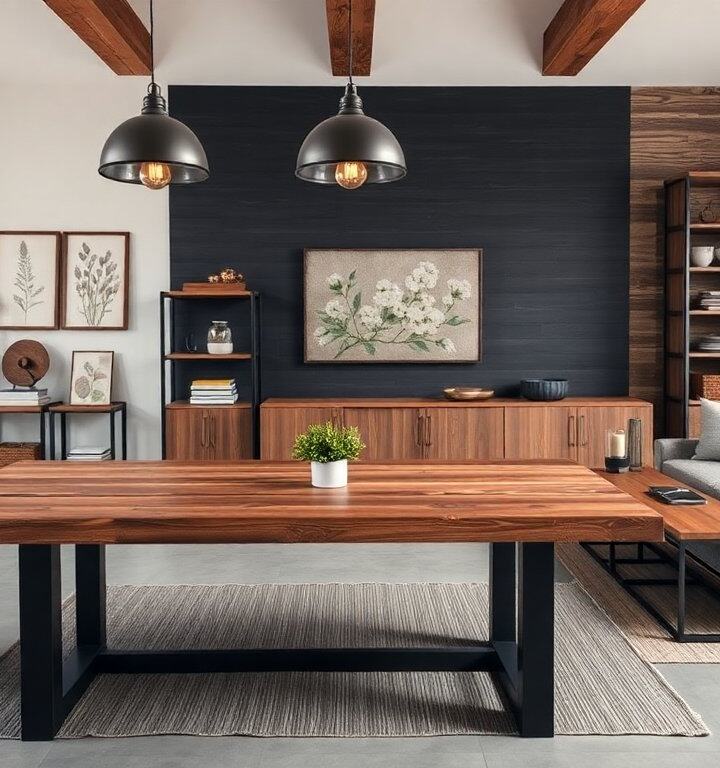

Loft style apartments attract renters who want open space and industrial character. This guide explains what defines loft style apartments, their common features, and how they differ. It lists pros and cons, shows how to furnish and zone a loft, and gives steps to find, tour, and lease one. The guide aims to help people evaluate loft style apartments quickly and decide with confidence.
Key Takeaways
- Loft style apartments feature open spaces with high ceilings, large windows, and industrial elements like exposed beams and brick walls, offering a unique urban living experience.
- These apartments suit renters who value flexibility, natural light, and an open layout, making them ideal for artists, remote workers, and social hosts.
- When furnishing a loft style apartment, use rugs, shelving, and lighting to create distinct zones for living, sleeping, and working without sacrificing openness.
- Renters should thoroughly check building conditions, noise levels, and lease terms during tours to avoid issues like poor insulation or missing permits.
- Loft style apartments combine aesthetic appeal with practical challenges such as limited privacy and potential higher utility costs, so weigh pros and cons before deciding.
What Defines A Loft Style Apartment? Key Features And Variations
A loft style apartment uses large open space with few interior walls. It often sits inside converted factories, warehouses, or new buildings that mimic industrial layouts. Typical features include high ceilings, exposed structure, large windows, and concrete or wood floors. Tenants often see visible ducts, beams, and brick walls. Variations include live-work lofts, modern new-construction lofts, and soft lofts. Live-work lofts provide ground-level access and commercial zoning. Modern new-construction lofts copy the look but add insulation and sound control. Soft lofts keep open plans and high ceilings but remove some industrial finishes for a cleaner look. A buyer or renter should note ceiling height, window placement, and core layout. These features affect light, airflow, and how the tenant will use the space. The term loft style apartments covers both true conversions and apartments with loft-like design elements.
Pros And Cons Of Living In A Loft: Who It’s Best For
A loft style apartment offers daylight, openness, and flexible layout. It suits artists, remote workers, and people who host often. The open plan lets the tenant arrange zones without heavy remodeling. The large windows often improve mood and reduce the need for artificial light. Downsides include limited privacy, potential noise, and higher heating or cooling costs. The tenant may need more storage solutions because the unit lacks closets. The tenant should check building rules for alterations and heating systems. Families with small children may find open stairs and drop-offs risky. Someone who values quiet and defined rooms may prefer a traditional apartment. A renter who values style and flexibility will find loft style apartments appealing. A buyer who plans to resell should check local demand for lofts because market interest varies by city.
How To Furnish, Zone, And Maximize Loft Space
A tenant should set clear zones for living, sleeping, and work. The tenant can use rugs, low shelving, and lighting to define each zone. The tenant should place the bed away from the front door for comfort. The tenant can use tall bookshelves to create partial walls and keep the view open. The tenant should choose furniture scale that fits the ceiling height and open volume. The tenant should prefer open storage that complements exposed finishes. The tenant can add plants to soften hard surfaces. The tenant should layer lighting: ambient, task, and accent. The tenant can use rugs to anchor furniture and absorb sound. The tenant should choose window treatments that control light but keep sight lines. The tenant should test furniture placement before buying to ensure walk paths stay clear.
Finding, Touring, And Leasing A Loft: Practical Steps And Red Flags
A renter should start by searching listings that use the phrase loft style apartments to filter results. The renter should confirm building age, conversion history, and zoning. The renter should schedule a daytime and an evening tour to check light and noise. The renter should test water pressure, closet space, and heating. The renter should measure doorways, windows, and key walls to ensure furniture fits. The renter should ask about insulation, neighbor noise, and building maintenance. The renter should check for pest reports and recent repairs. Red flags include water stains, uneven floors, poor ventilation, and missing permits for conversion. The renter should read the lease for rules on guests, pets, and alterations. The renter should ask about parking and package delivery. The renter should request a copy of recent utility bills when possible. The renter should get everything promised in writing and document the unit condition with photos before move-in.