
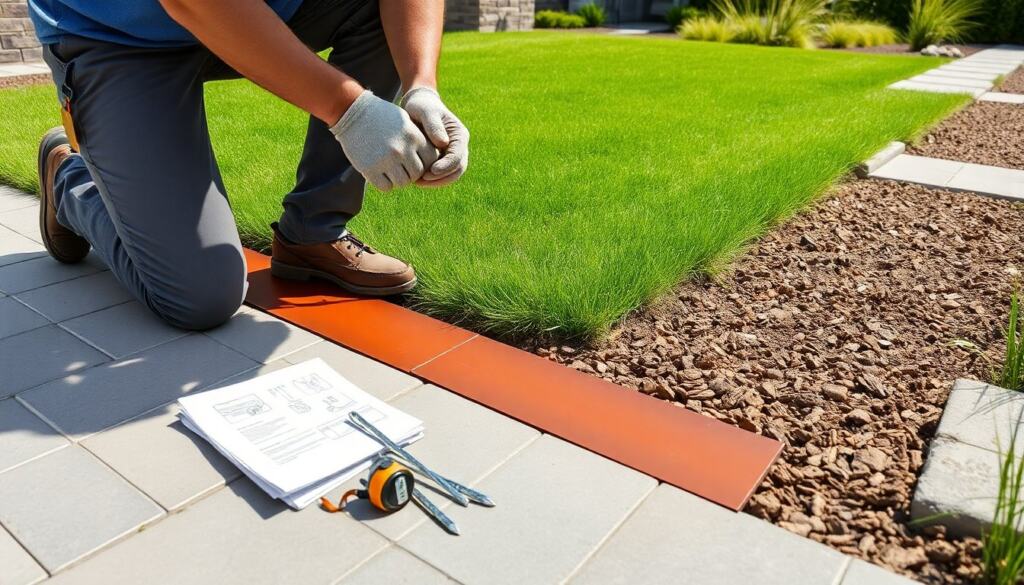
Corten steel edging gives gardens a clean, long‑lasting border. Corten steel edging forms a protective rust layer that slows corrosion. It keeps soil, mulch, and gravel in place. The material resists damage from freeze, thaw, and mulch contact. This guide explains how it works, the main benefits, installation basics, and cost and care. Readers will get clear, practical facts to decide if they should use corten steel edging.
Key Takeaways
- Corten steel edging creates durable, rust-protected garden borders that resist corrosion and weather damage for long-lasting performance.
- The material effectively contains soil, mulch, and gravel while providing a clean, modern aesthetic that complements natural and hardscape elements.
- Installation involves selecting appropriate height and thickness, digging a shallow trench, and anchoring panels to ensure stability and even rust formation.
- Corten steel edging requires minimal maintenance, needing only occasional cleaning and inspections without paint or sealing.
- Though costlier upfront than wood or plastic, corten steel edging offers superior lifespan, durability, and design flexibility for landscape projects.
- To prevent staining on nearby concrete, incorporating gravel strips or sacrificial steel flanges is recommended, especially in coastal or high-salt environments.
What Is Corten Steel Edging And How It Works
Corten steel edging is a weathering steel shaped into strips or panels for landscape borders. The steel contains copper, chromium, and nickel. Those elements make the surface form a stable rust layer. The layer stops further deep corrosion. Landscapers place the material at grade or slightly below grade. Soil and moisture start the surface change within weeks. The rust color matures over months. The finished surface repels peeling and flakes. Installers cut and anchor panels to create straight lines or curves. The result is a durable edge that needs little paint or coating.
Benefits For Gardens And Landscapes
Corten steel edging offers several clear benefits for gardens and landscapes. It provides a firm separation between lawn and bed. It keeps mulch and gravel contained. The material resists lawn mower and trimmer damage better than timber. It lasts longer than untreated steel in wet soil. Designers use it to create clean modern lines around paths, beds, and planters. The steel’s warm rust tone blends with wood, stone, and concrete. It also gives a low profile that does not block root growth or water flow.
Durability, Weathering, And Low Maintenance
Corten steel resists full corrosion by forming a hard oxide skin. The skin reduces material loss over time. The edging needs no paint or oil. It does not rot like timber. It does not require annual sealing. The owner may wash off mud and salt stains. In coastal sites, designers may choose thicker sections. Thicker sections extend life where salt and spray reach the soil. Simple inspections every few years catch loose stakes or shifting panels. Overall, maintenance stays low compared with wood or painted metal.
Installation, Sizing, And Material Choices
Installers select corten steel edging by height and thickness. Common heights range from 3 to 8 inches. Common thicknesses range from 1.5 mm to 6 mm. Heavier gauges suit driveway edges and high‑traffic sites. Thin gauges suit small beds and soft curves. The installer marks the line, digs a shallow trench, and sets the edging to grade. They compact soil and backfill to hold the edge. They leave a small gap at overlaps to allow the rust layer to form evenly. They choose powder‑coated anchors where appearance matters.
Cost, Lifespan, Comparison With Alternatives, And Maintenance Considerations
Corten steel edging costs more up front than timber and plastic. Installed prices vary by gauge, height, and local labor. Typical installed costs range from moderate to high per linear foot compared with wood. The material lasts decades when used correctly. It often outlasts untreated steel and most wooden edging. Maintenance is mainly visual checks and occasional cleaning. If staining of nearby concrete is a concern, designers add a small gravel strip or a sacrificial steel flange. Compared with plastic, corten looks higher quality and resists impact. Compared with stone, corten gives a thinner, cleaner line and lower installation effort. Buyers should match gauge and finish to site conditions and budget.