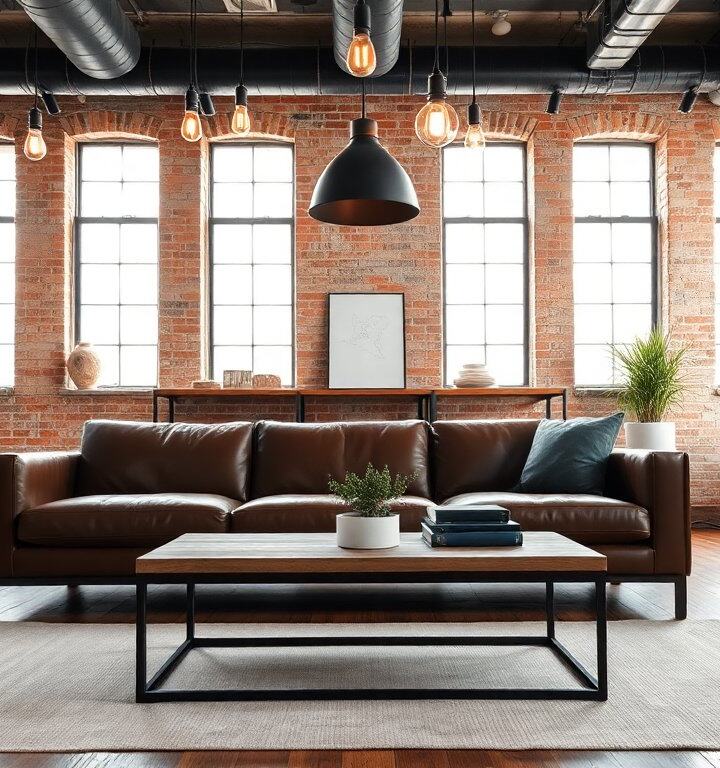
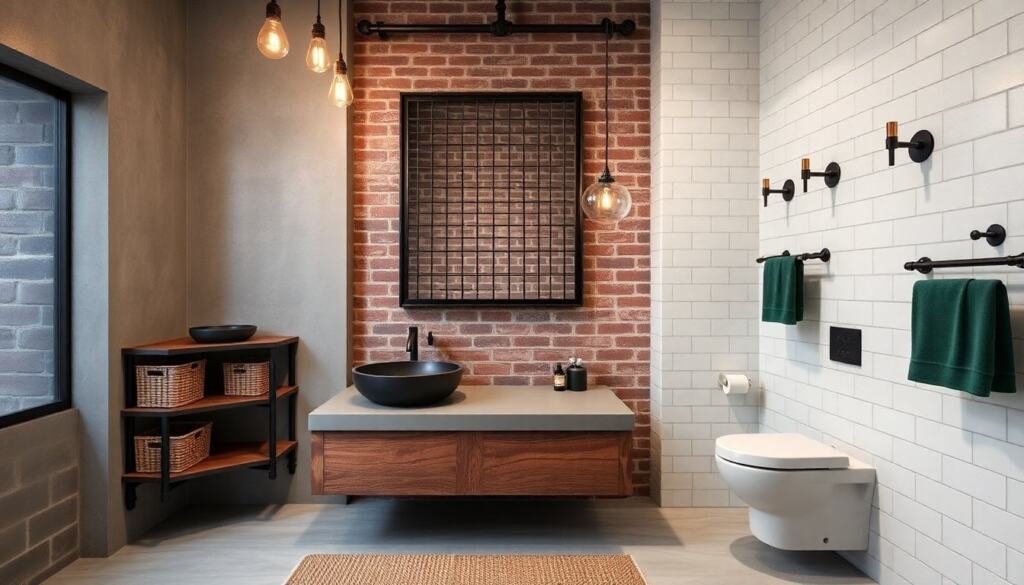
Industrial bathroom ideas help homeowners add character and function to small and large spaces. This guide lists practical design moves and clear examples. It shows materials, fixtures, color mixes, and sourcing tips. Readers will learn how they can mix metal, wood, and concrete to make a bold but usable bathroom. The focus stays on simple steps that yield high impact.
Key Takeaways
- Industrial bathroom ideas combine durable materials like metal, concrete, and reclaimed wood with matte black fixtures and neutral tones to create a bold, functional design.
- Incorporate elements such as exposed brick walls, steel-framed mirrors, open pipe shelving, and sliding barn doors to enhance industrial character.
- Lighting should be direct and practical with options like metal pendant lights and dimmers to balance task clarity and mood.
- Choose water-resistant flooring like large-format porcelain tile or sealed concrete paired with slip-resistant mats for safety and durability.
- Plan your budget carefully, prioritize must-have items, and consider DIY projects for cost savings while hiring professionals for plumbing and electrical tasks.
- Source industrial fixtures and finishes from salvage yards, specialty shops, and online marketplaces to maintain quality and control costs.
Core Elements Of Industrial Bathroom Design (Materials, Fixtures, And Color Palette)
Industrial bathroom ideas often start with a short list of core elements. Designers pick durable materials. They choose metal, concrete, reclaimed wood, and exposed brick. They use fixtures that show function. They pick matte black or brushed nickel faucets. They choose open shelving and wall-mounted sinks to save space.
Color plays a key role. Designers favor neutral tones. They use gray, charcoal, and warm wood hues. They add a single accent color like deep green or navy blue. They balance dark tones with white tile or pale plaster to keep the room bright.
Lighting needs directness. Designers use simple pendant lights, wall sconces, or metal cage fixtures. They place lights near mirrors for clear task light. They add a dimmer to create mood when needed.
Flooring must resist water. Designers choose large-format porcelain tile or sealed concrete. They add textured mats for slip resistance. They use grout in a darker tone to hide wear.
Hardware and accessories finish the look. They use towel bars, hooks, and toilet paper holders in raw metal. They add a round mirror with a thin metal frame. They keep decor minimal and useful. They avoid ornate or fragile pieces.
12 Practical Industrial Bathroom Ideas With Visual And Functional Variations
- Exposed Brick Accent Wall
Designers reveal one wall of original brick. They seal the brick for moisture. They pair the wall with a white sink and black faucet for contrast.
- Concrete Vanity Top
They install a cast concrete counter. They polish the surface for easy cleaning. They pair it with a metal basin for texture contrast.
- Steel-Framed Mirror
They hang a large steel-framed mirror above the sink. The frame adds an architectural line. They center a simple pendant over the mirror for balance.
- Open Pipe Shelving
They mount shelves on black iron pipe brackets. The shelves hold towels and storage baskets. They choose woven baskets to soften the metal.
- Matte-Black Fixtures
They swap chrome for matte-black faucets and shower heads. The change creates a modern industrial feel. They keep plumbing simple and visible where possible.
- Sliding Barn Door
They use a metal track and wood door to save space. They paint the door in a deep neutral to match fixtures. They add a recessed handle for a clean look.
- Reclaimed Wood Vanity
They build a vanity from reclaimed planks. They seal the wood to resist moisture. They mount a vessel sink to highlight the wood grain.
- Industrial Lighting Cluster
They hang a cluster of simple metal pendants over a double vanity. They use Edison bulbs for soft, warm light. They add a dimmer for evening use.
- Black Grid Shower Screen
They fit a frameless glass panel with thin black grids. The screen divides the shower while keeping light. They use a linear drain to keep the floor plane clean.
- Concrete or Tile Floor With Rug
They install stained concrete or ceramic tile. They add a small wool rug for comfort. They choose a rug with a low pile for quick drying.
- Wall-Mounted Toilet And Sink
They mount the toilet and sink to free floor space. They hide the tank in a simple cabinet or wall cavity. The setup makes cleaning easier.
- Industrial Laundry Nook
They pair a compact washer and dryer with metal shelving above. They use a folding counter in reclaimed wood. They add a pull-out ironing board for convenience.
Each idea pairs function with a clear visual cue. They mix textures and keep the layout efficient. They let users prioritize plumbing access and ventilation when they plan changes.
Budgeting, DIY Tips, And Where To Source Industrial Fixtures And Finishes
They set a clear budget before work begins. They list must-have items and nice-to-have items. They allocate funds for plumbing, lighting, tile, and labor. They include a 10 to 15 percent buffer for surprises.
DIY routes cut costs. They recommend DIY for painting, shelving, and sealing concrete. They advise hiring licensed pros for rough plumbing and electrical work. They advise testing a small area before they apply a new finish.
Sourcing keeps cost down. They buy reclaimed wood at local salvage yards. They find metal pipe shelving from industrial suppliers or online marketplaces. They shop surplus stores for lighting and hardware. They compare prices on porcelain tile from big-box stores and specialty tile shops.
For fixtures they suggest these options: local plumbing showrooms for quality faucets, online retailers for matte-black hardware, and artisan metal shops for custom towel bars. They check product reviews and warranty details before purchase.
When they install, they protect existing surfaces. They run water tests and check venting. They caulk all seams and use moisture-rated paint in wet zones. They add an exhaust fan sized to the room’s cubic feet per minute (CFM) needs.
Small upgrades can yield big returns. They swap a vanity, change lighting, or add a mirror to refresh the room on a low budget. They keep the design focused on utility and clear lines to maintain the industrial look.