Industrial farmhouse decor mixes metal and wood to create warm, modern rustic spaces. The style pairs raw finishes with soft textiles. It emphasizes practical pieces and honest materials. This guide shows clear steps to create that look in a home in 2026.
Key Takeaways
- Industrial farmhouse decor combines reclaimed wood, matte metal, and soft textiles to create warm, modern rustic spaces.
- Use a muted color palette of off-white, warm gray, and soft beige accented with deep charcoal or black for balanced contrast.
- Choose durable furniture with simple lines and visible joinery, prioritizing larger pieces to maintain a spacious, intentional layout.
- Layer lighting with pendant lights, Edison bulbs, and task lamps to enhance warmth and set the mood.
- Incorporate accessories showing natural wear, simple patterns, and potted plants to add character and life.
- Refresh your space affordably with DIY projects like sanding furniture, adding metal hardware, and using reclaimed wood accent walls.
Core Elements: Materials, Color Palette, And Textures
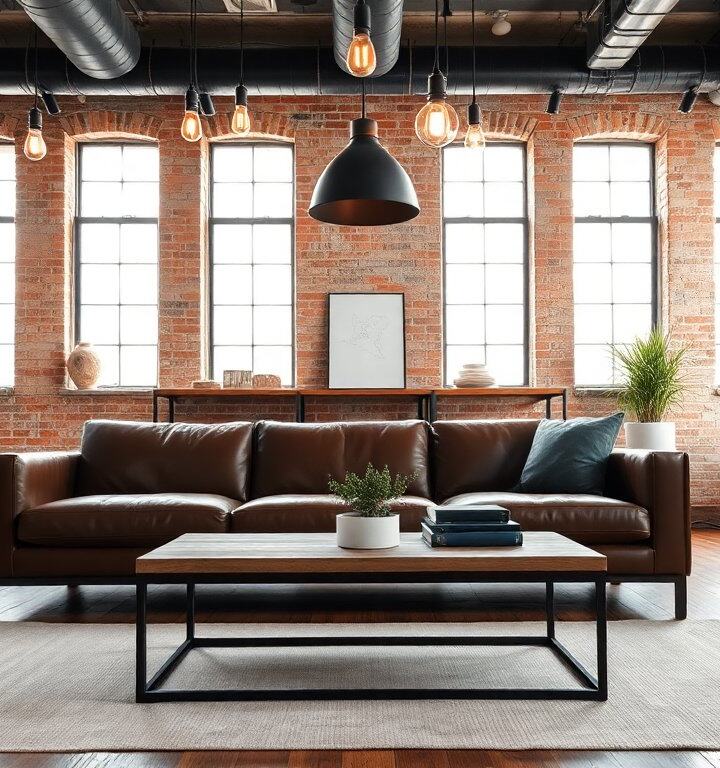
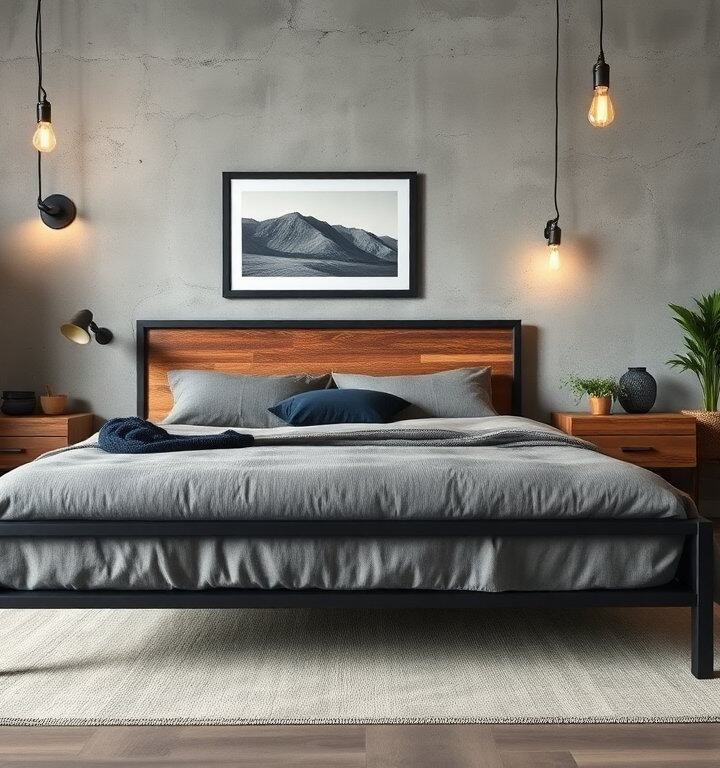
Industrial farmhouse decor favors simple materials. Designers use reclaimed wood, matte metal, concrete, and linen. They choose wood with visible grain and metal with a patina. These choices create contrast and warmth.
They keep the color palette muted. Walls often use off-white, warm gray, or soft beige. Designers add deep charcoal or black in small doses. They place warm woods and brass accents to soften the palette.
Textures play a central role. Rough wood pairs with smooth metal. Woven rugs and cotton throws add softness. Exposed beams, brick, or concrete floors add tactile depth.
They balance scale and finish. Large wood tables ground the room. Smaller metal fixtures add detail. The result feels lived-in and modern at once.
Tips: pick three core materials and repeat them across the space. Use two neutral paint colors and one accent tone. Rotate textures between hard and soft surfaces.
Furniture And Layout: Balancing Function With Rustic Charm
They choose furniture that serves daily life. Industrial farmhouse decor favors durable seating, solid tables, and efficient storage. Pieces often show visible joinery and simple lines.
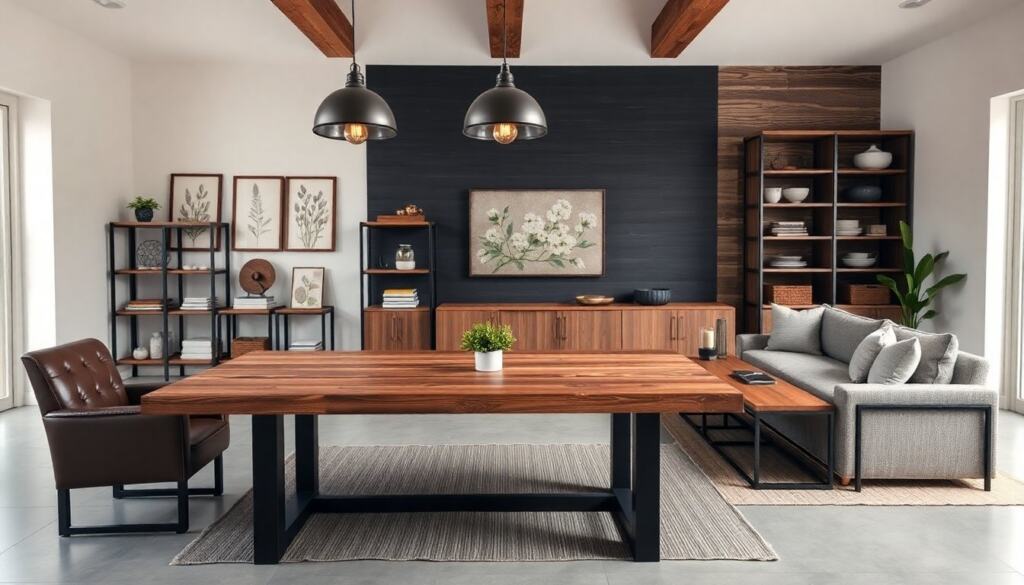
They set the layout for flow. Open plans work well. Placing a large sofa against a wall frees the central path. A long dining table pairs with mixed seating for casual use.
They mix modern silhouettes with aged finishes. A steel-frame bookshelf works with a reclaimed-wood coffee table. Leather chairs provide contrast with a linen sofa.
Scale matters. They avoid tiny pieces that look busy. Instead, they use fewer, larger items that feel intentional. They leave breathing room around furniture so people move easily.
Storage choices remain practical. Closed cabinets hide clutter. Open shelving displays curated items and tools. They add baskets for linens and blankets to keep the look tidy.
Decor, Lighting, And Accessories That Tie The Look Together
They use lighting to set mood. Industrial farmhouse decor favors pendant lights, metal shades, and Edison bulbs. Designers layer light with overhead fixtures, task lamps, and wall sconces. They dim lights to create warmth.
Accessories create personality. They add vintage signs, simple ceramics, and framed botanical prints. Metal trays and wood bowls make surfaces useful and attractive. They prefer objects with wear because wear adds character.
Textiles soften the edges. Wool rugs, cotton throws, and linen pillows add comfort. They keep patterns simple: stripes, small checks, or plain weave.
Plants add life. A few potted greens break the neutral palette. They pick easy plants like snake plant, pothos, or rubber tree.
They pay attention to scale and repetition. Repeating a metal finish or a wood tone ties different rooms together. A consistent metal color on handles, lighting, and picture frames creates cohesion.
They avoid excess. A few well-chosen items look better than many small objects. They curate displays on shelves and mantels to show intention.
Practical Styling Tips And Simple DIY Projects
They style shelves in layers. Place taller items at the back and smaller items in front. Group objects in odd numbers for visual interest. They leave negative space so displays feel calm.
They refresh furniture with simple DIY. Sanding and staining a table brings new life. They add metal corner brackets to a shelf for an industrial touch. They replace drawer pulls with black iron hardware to update cabinets.
They make quick lighting changes. Swapping lamp shades or adding a dimmer transforms a room. They install a cluster of pendants above a kitchen island for focused light.
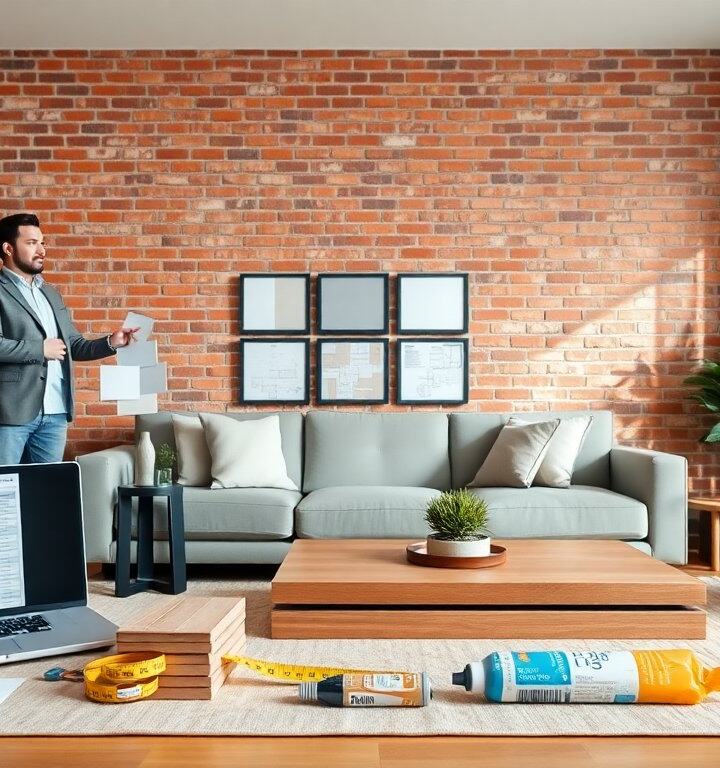
They create wall interest with inexpensive fixes. A reclaimed wood accent board gives a focal point. Framed fabric or wallpaper samples add texture without heavy cost.
They use paint strategically. A single dark wall adds depth. White ceilings keep rooms bright. They test color in small patches before committing.
They budget for one statement piece. A large farmhouse table or an oversized metal mirror anchors the room. They build the rest of the space around that item.
They document progress with photos. They compare before and after images to refine choices. This method helps them make confident updates without waste.