An industrial style home offers clean lines, exposed structure, and a raw-luxe feel. It blends metal, wood, and concrete for a bold look. This guide explains core principles, key elements, lighting tips, and practical steps. It helps readers plan a space that feels modern and lived-in.
Key Takeaways
- An industrial style home highlights honest materials like steel, wood, and concrete while maintaining a neutral color palette and open space planning for a modern, lived-in feel.
- Incorporate utilitarian furniture with metal frames and solid wood tops, layered textures like worn leather and rough concrete, and honest fixtures featuring exposed hardware to capture true industrial style.
- Effective industrial lighting combines layered ambient, task, and accent lights with warm bulbs and visible wiring to create functional zones and enhance atmosphere.
- To transform your space, prioritize budget planning by distinguishing between structural work requiring professionals and affordable DIY updates like painting or swapping hardware.
- Hiring experts for electrical or structural changes ensures safety and code compliance, while collaborating with a designer helps achieve a cohesive industrial style home.
- Plants and bold, simple art pieces soften the raw industrial aesthetic, adding warmth and personality without cluttering the space.
Principles Of Industrial Style: Materials, Color Palette, And Space Planning
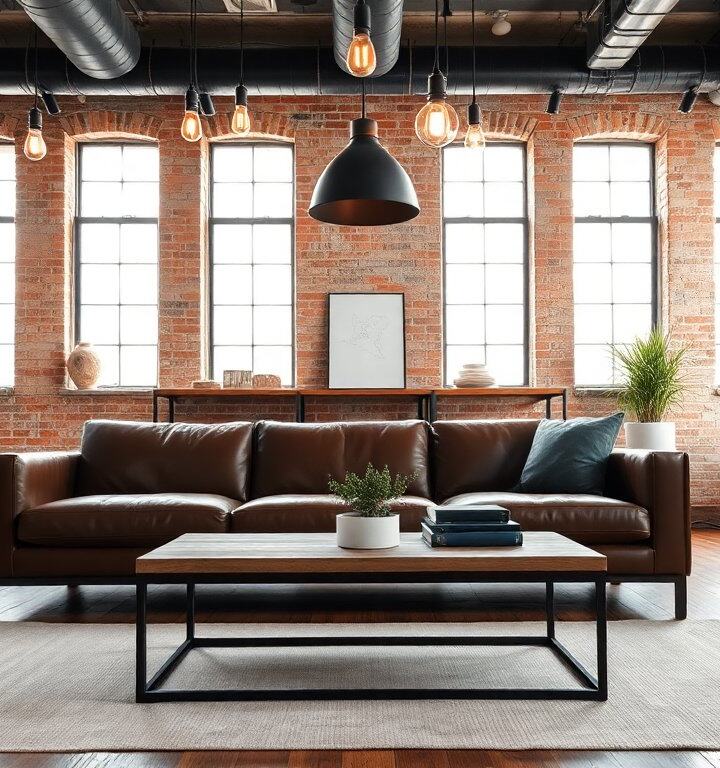
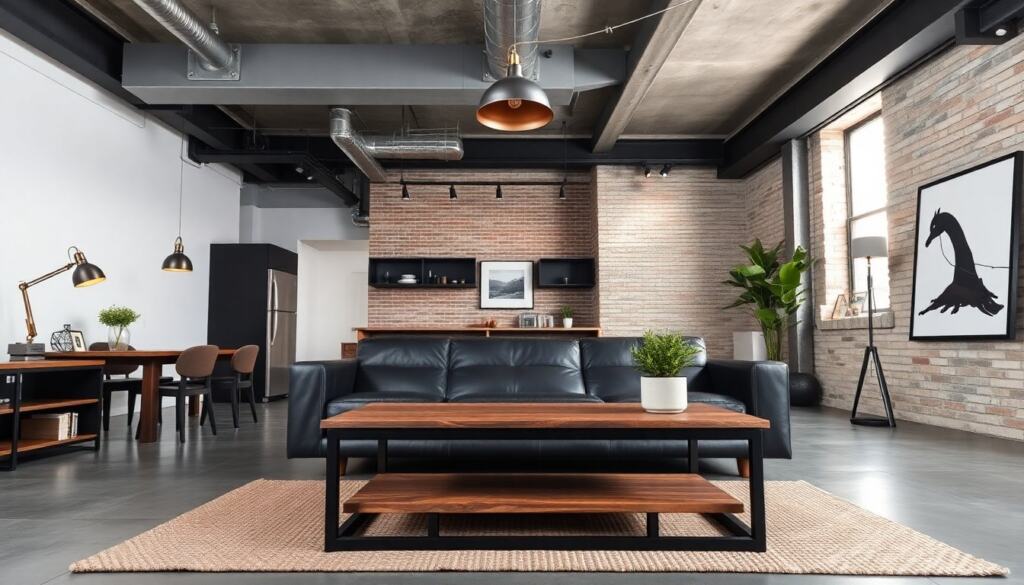
Industrial style home relies on honest materials. Designers often use steel beams, reclaimed wood, and concrete floors. They leave ductwork and brickwork visible to add character. The color palette stays neutral. It leans on charcoal, warm gray, black, and off-white. It adds muted leather or rusted metal for contrast. Space planning focuses on openness. It removes non-structural walls to create large rooms. It places furniture to define zones rather than rely on partitions. It uses high ceilings to emphasize volume. It balances raw surfaces with softer textiles to avoid feeling cold. The industrial style home values texture. Matte metal, worn wood, and rough concrete work well. A rug, linen drape, or velvet chair softens a raw surface. The design keeps clutter low. It exposes structure but keeps decor purposeful. Each piece must earn its place.
Key Elements To Include: Furniture, Textures, And Fixtures
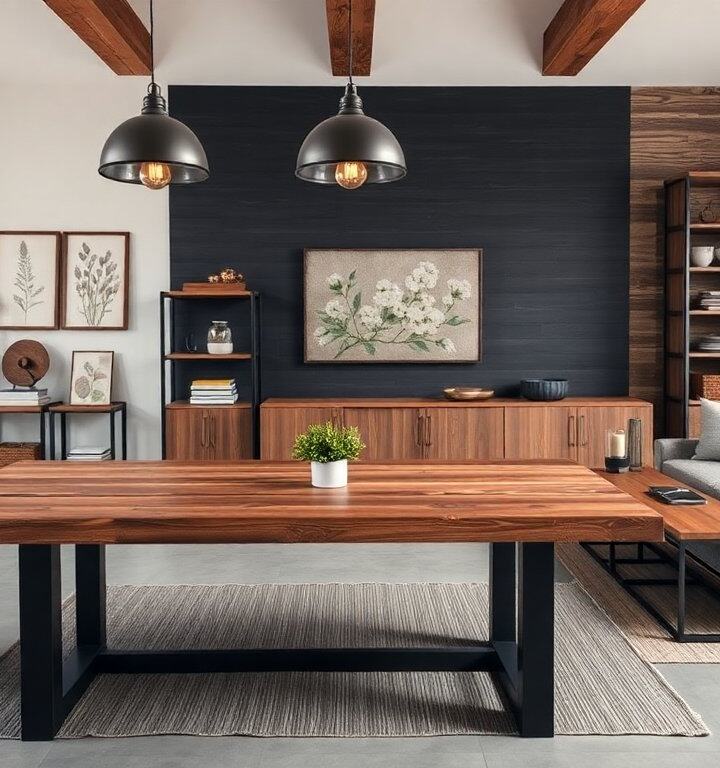
The industrial style home favors utilitarian furniture. It uses metal frames, simple silhouettes, and solid wood tops. A steel coffee table pairs well with a leather sofa. Open shelving in metal and wood adds storage and display. Textures play a major role. They add depth and interest to a restrained palette. Worn leather, raw wood, and concrete surfaces create layers. A textured rug or throw adds warmth underfoot. Fixtures should feel honest. Look for exposed hardware, visible welds, and simple finishes. Black iron, aged brass, and brushed steel suit the aesthetic. The industrial style home accepts imperfections. Patina and wear add story and life. Incorporate vintage or repurposed pieces to avoid a showroom look. Plants add life and temper the palette. A large fern or rubber plant softens hard edges. Art should stay bold and simple. A single oversized print or a metal sculpture keeps the room calm and focused.
Lighting Tips: Layering Industrial Fixtures For Function And Atmosphere
Lighting can make or break an industrial style home. Layer ambient, task, and accent lights for balance. Pendant lights with metal shades provide strong task light over a kitchen island. A linear metal fixture can anchor a dining table. Floor lamps with adjustable arms add reading light by a sofa. Use warm bulbs to warm raw surfaces. Spotlights highlight textured walls or artwork. Track lighting keeps the look minimal and flexible. Bulbs with visible filaments add vintage character. Dimmers let occupants change mood without changing fixtures. The industrial style home uses wiring visibly at times. Exposed conduit can look intentional and neat. Select fixtures that match finishes in the room. Mix black iron with warm wood for contrast. Place lights to create zones. Bright work light goes over counters. Soft accent light goes near seating. This approach keeps the space functional and inviting.
Practical Steps To Transform Your Space: Budgeting, Easy DIYs, And When To Hire Pros
A homeowner should set a clear budget for an industrial style home project. They should list priorities first. Structural changes and electrical upgrades need bigger budgets. Cosmetic updates cost less. The homeowner can use simple DIYs to get a high impact. Paint a wall in deep graphite to add drama. Swap cabinet hardware for iron pulls to add cohesion. Install open metal shelving using brackets and reclaimed wood. Refinish a wooden table with tung oil to keep warmth. Replace standard bulbs with warm filament-style LED bulbs. These moves cost little and change the room fast. The homeowner should hire professionals for structural work. They should hire an electrician for rewiring and a contractor for removing walls. A professional ensures safety and code compliance. The homeowner should get quotes from two to three contractors. They should check references and recent work. For a full remodel, a designer can help with material choices and space planning. The designer can create a cohesive industrial style home that works for daily life. The homeowner should track expenses and add a contingency of 10 to 15 percent. This plan prevents surprises and keeps the project on track.