metal bed frame buyers want durability, style, and clear specs before they buy. This guide gives direct answers about construction, fit, and value. It lists the main frame types, notes useful features, and explains care steps that extend life. The guide keeps language simple and precise so readers can compare options and choose a metal bed frame that suits their room, mattress, and budget. Read on for practical selection criteria, real-world pros and cons, and a compact maintenance checklist you can use when shopping or after assembly.
Key Takeaways
- A metal bed frame offers durability, solid support, and cost-effective value, making it a practical choice for long-term use.
- Different metal bed frame styles, like tubular, slatted, platform, or ornate cast-iron, serve varying functions from light duty to heavy-duty support and aesthetic appeal.
- Measuring room dimensions, checking mattress compatibility, and considering under-bed storage are essential steps to select the right metal bed frame for your space.
- Setting a realistic budget and reviewing warranty details on rust and hardware issues help ensure a reliable purchase of a metal bed frame.
- Proper assembly following the manual, regular maintenance with cleaning and tightening bolts, plus addressing issues early, extends the lifespan of a metal bed frame.
Why Choose A Metal Bed Frame? Benefits And Practical Advantages
A metal bed frame offers long service life and solid support. It resists warping and often holds weight better than many wood frames. Buyers find metal frames lighter to move and easier to clean. Many metal bed frames provide open under-bed storage without a box spring, and platform-style metal frames remove the need for additional foundations. Metal frames pair well with a variety of mattress types, including innerspring, hybrid, and many foam mattresses — and some are designed to work with adjustable bases. Common factory finishes — powder coat, baked enamel, or plated steel — improve scratch resistance and help slow corrosion. Because metal parts are typically manufactured to tighter tolerances, you’ll see more consistent fit between slats, brackets, and hardware than with some budget wooden frames. For buyers balancing cost and lifespan, the metal bed frame often represents less cost per year of use and a predictable set of failure modes (rubber feet wear, loose bolts, surface chips) that are relatively easy to repair.
Common Types And Styles Of Metal Bed Frames
Tubular frames use round steel tubing and keep price low; they are lightweight, often simple to assemble, and suit guest rooms, dorms, or children’s rooms. Slatted frames use welded slats or sprung rails that provide steady mattress support and can improve ventilation for foam mattresses. Platform metal frames offer a low-profile look and remove the need for a box spring; they frequently include center support legs for larger sizes. Canopy, sleigh, and other decorative styles use thicker metal and more complex connections, adding visual weight and a focal point for bedroom decor. Folding frames are practical where storage or transport is common — they collapse for moving and typically include locking hardware for safety. Ornate cast-iron and pressed-metal styles use heavier parts and traditional detailing for classic interiors; they can be heavier to move but very durable. Heavy-duty industrial frames use reinforced rails and additional center supports to meet higher weight capacities and are a good choice for specialty mattresses or frequent use. Each style of metal bed frame serves different needs — light duty for occasional use, storage-oriented designs for small spaces, decorative frames for aesthetics, or heavy-duty models for long-lasting support.
How To Choose The Right Metal Frame For Your Room
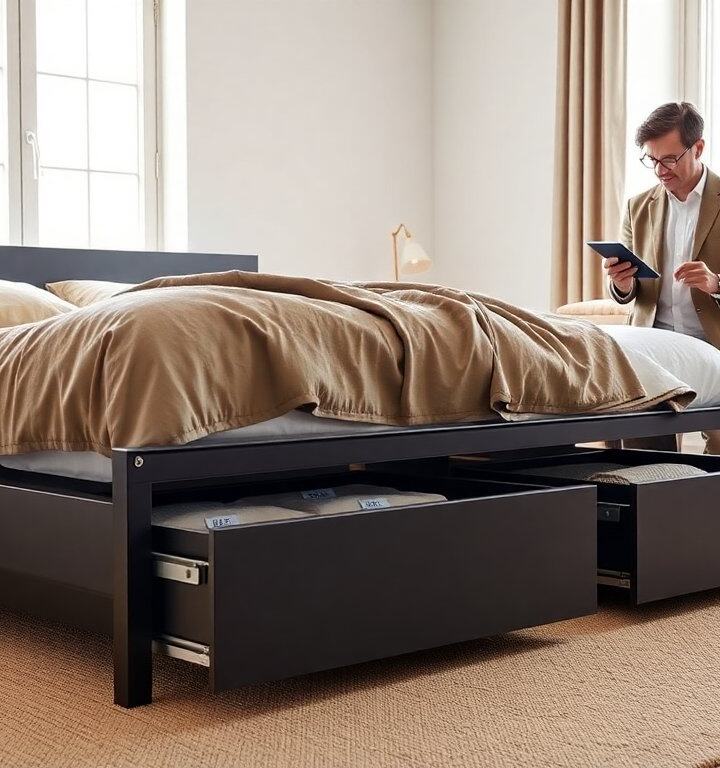
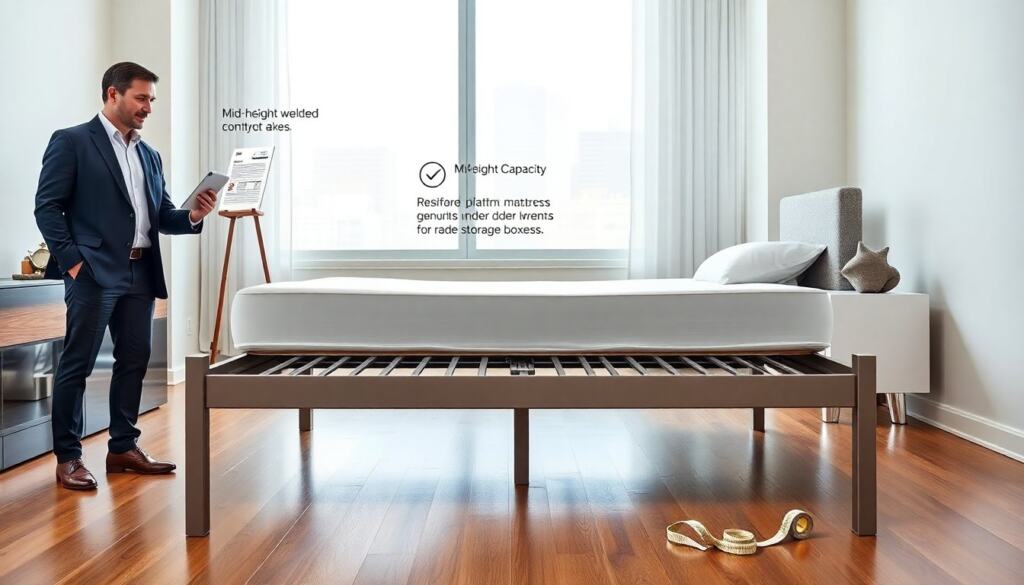
Start by measuring the room, the route from the front door to the bedroom, and any stair or elevator openings so the frame and boxed mattress will actually fit. Match frame height to your storage needs — a higher metal bed frame creates room for bins or drawers underneath, while a low-profile platform saves visual space. Check mattress compatibility: some metal bed frames require slatted support with specific spacing, while others are solid platform designs; verify that the frame supports your mattress type and thickness to preserve warranty terms. Confirm headboard and footboard mounting points if you plan to reuse an existing headboard, and note whether the frame accommodates an adjustable base. Review the manufacturer-specified weight capacity and the number of center supports, especially for queen/king sizes. Consider frame footprint and leg placement in relation to nightstand clearance and walking paths. Choose a finish and style that coordinates with existing furniture and resists scuffs in expected use areas (kids’ rooms, frequent moves). Finally, compare assembly time and tool needs — some metal bed frames come almost fully assembled while others require a socket set and two people. A short pre-purchase checklist: measure, confirm mattress and headboard fit, verify weight limit and support rails, and plan where extra parts (slats, brackets) will be stored if not used.
Smart Buying Tips: Budget, Warranties, And Where To Shop
Set a budget that covers frame quality, shipping, and any assembly or white‑glove fees. Compare total cost of ownership rather than headline price: consider how long a metal bed frame is likely to last in your use case and what replacement parts are available. Read warranty terms for rust, weld failure, and hardware loss — note length of coverage and what the manufacturer considers normal wear. Favor vendors and brands that publish weight limits, assembly manuals, and replacement-part lists so you can source slats, brackets, or feet later if needed. Shop locally if you want to see finishes and test stability in person; choose reputable online retailers that offer clear return windows and visible customer photos and recent reviews to spot recurring issues such as squeaks or assembly gaps. Check return and restocking policies for large items: some sellers charge more to return a bulky metal bed frame. If a model uses nonstandard slats or fasteners, consider buying spare parts or a compatible repair kit when you order. Finally, time purchases around sales if price is a concern, but don’t skip warranty checks and read a handful of recent reviews to confirm reliability before buying a cheaper metal bed frame.
Assembly, Care, And Troubleshooting For Longevity
Follow the included manual step by step when assembling a metal bed frame; many common issues come from skipped fasteners or missing center supports. Tighten bolts after the first week of use, then recheck every few months — vibration and settling can loosen hardware. Clean the frame with mild soap and water and dry it fully to avoid rust; for outdoor or high-humidity environments use a rust inhibitor or touch-up paint on exposed chips. Add felt pads or protective caps to feet to protect floors and reduce noise. If the frame squeaks, first tighten all hardware, then add small amounts of lubricant to metal-on-metal contact points; avoid over-lubricating near wood slats or fabric that can stain. For structural problems, such as a cracked weld or bent rail, stop use immediately and contact the manufacturer for replacement parts or guidance; many companies will ship brackets or reinforcement pieces. Keep a small hardware kit (extra bolts, washers, and a spare center leg) on hand so minor repairs are quick. Regular checks — visual inspection for rust, ensuring legs are straight and level, and confirming no excessive play at joints — will keep a metal bed frame functional for many years.