Metal legs for coffee table offer a fast, high-impact way to change a room. They add strength and new style without replacing the top. This guide shows why metal legs work, common styles, how to measure and mount them, and simple care tips. The steps stay clear and direct so readers can pick, fit, and enjoy metal legs for coffee table with confidence.
Key Takeaways
- Metal legs for coffee table provide durable support and stylish updates without replacing the tabletop.
- Common metal leg styles include hairpin, tapered, geometric, and industrial, each suited for different décor and weight needs.
- Choosing the correct leg height involves measuring the tabletop and seating height to ensure comfort and proper alignment.
- Installation requires simple tools and steps like pre-drilling and using mounting plates for secure attachment.
- Maintenance involves gentle cleaning and periodic tightening to preserve finish and stability.
- Metal legs often come in kits with hardware and finish options like powder coat and brass to fit various styles and budgets.
Why Choose Metal Legs for Your Coffee Table? Durability, Style, and Practical Benefits
Metal legs for coffee table deliver long life and steady support. Steel and iron resist bending and bear heavy tops. They handle daily use better than many wood legs. Metal legs also change the look of a top quickly. A simple pair of legs can make a rustic slab look modern. Metal offers thin profiles that keep sight lines open. Metal legs for coffee table also suit mixed-material rooms. They match glass, wood, and stone. Metal needs less bulk to hold weight, so tabletops can stay thin. Metal legs for coffee table often come as kits. Those kits include mounting plates and hardware. Kits speed installation and reduce guesswork. Metal allows custom heights and unique shapes. Buyers can choose a practical leg and keep the tabletop they love.
Common Styles Of Metal Coffee Table Legs (Hairpin, Tapered, Geometric, And More)
Hairpin legs give a mid-century look with slim, angled rods. They suit light and medium weight tops. Tapered metal legs mimic furniture silhouettes while adding metal durability. Those legs work well with clean, modern tops. Geometric legs create a bold silhouette under a simple top. They anchor the table and draw the eye. Industrial box or sled legs add a rugged, low-profile base. They handle thick stone or concrete tops. Folding or removable metal legs add storage or transport options. Custom bent legs let a maker shape the visual theme. Metal legs for coffee table come in mixed sets too. Designers mix metal legs with wooden stretchers or glass shelves for extra function. The style choice depends on the top, room scale, and desired weight capacity.
Finish Options And Coatings: Powder Coat, Chrome, Brass, Blackened Steel
Powder coat prevents flakes and adds color. Chrome gives a bright, reflective look. Brass plating adds warm tone and pairs well with walnut tops. Blackened steel gives a matte, modern feel. Each finish affects maintenance and price. Powder coat hides scratches better than chrome. Brass shows fingerprints faster but polishes well. Blackened steel resists glare and hides dust. Metal legs for coffee table often list finish care recommendations on the product page. Buyers should match finish to room hardware and budget.
How To Measure, Choose Height, And Verify Weight Capacity For Your Tabletop
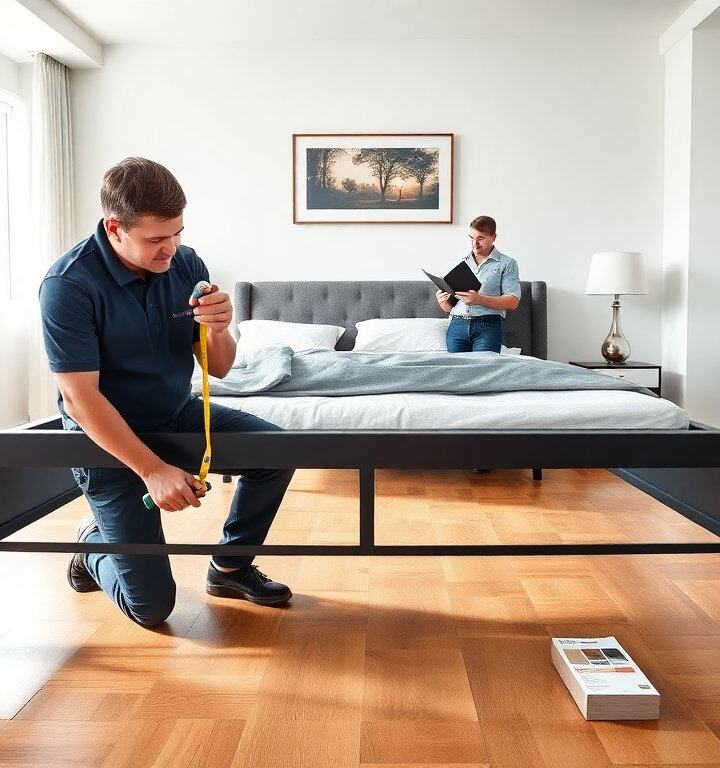
Measure the tabletop thickness and edge profile first. Measure the room height and sofa seat height next. Calculate leg height by subtracting tabletop thickness from desired table height. Standard coffee table heights vary from 15 to 20 inches. Choose a height that aligns with the seating in the room. Check the weight of the tabletop. Add estimated load for books and decor. Locate the weight capacity rating on the leg product. Divide total expected weight by the number of legs to confirm each leg covers its share. If a leg kit lacks a rating, choose heavier gauge metal or add a fourth leg. Metal legs for coffee table with wide base plates distribute load better. Consider a cross brace for long tabletops. Cross braces reduce sag for wide or long tops.
Installation Tips, Tools Needed, And Quick Reinforcement Tricks
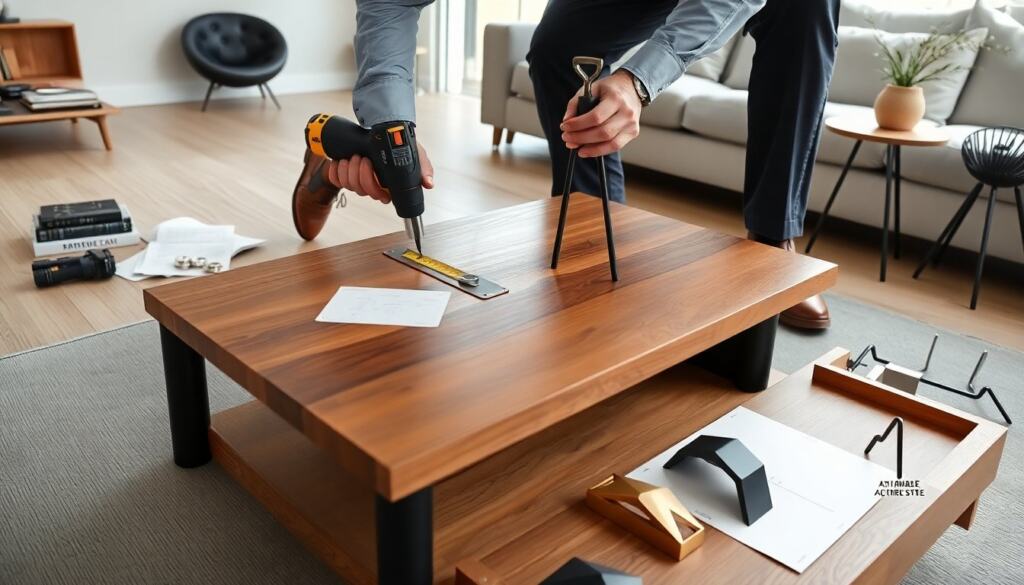
Gather simple tools before starting. Use a drill, screwdriver, measuring tape, level, and clamps. Mark mounting points on the tabletop with a pencil. Clamp the top to prevent slips during drilling. Pre-drill holes to protect thin tops and to align hardware. Tighten screws until the plate sits flush. Avoid over-tightening on plywood or particle board. Use washers to spread pressure on soft tops. For extra strength, glue a small pine or plywood cleat under the mounting area. Screw legs into that cleat for a firmer hold. Add metal corner brackets if the top shows any play. For very heavy tops, set the legs inboard slightly to reduce torque at the edges. Test the table with light loads first. Re-check screws after a week of use. Metal legs for coffee table with adjustable feet help on uneven floors.
Maintenance, Care, And Budget-Friendly Buying Tips (Where To Shop And What To Expect)
Wipe metal legs with a damp cloth to remove dust. Dry the legs to prevent water marks. Use mild soap for greasy spots. Avoid harsh chemicals that strip finishes. Tighten screws periodically to keep the table stable. For powder-coated legs, touch up chips with matching spray paint. For brass, apply a small metal polish when shine fades. For blackened steel, use a wax film to slow oxidation. Shop online marketplaces for wide selection and reviews. Visit local salvage yards for unique or cheaper metal legs for coffee table options. Hardware stores sell standard kits for quick projects. Custom metal shops will bend and weld for a higher price. Expect price to rise with thicker metal, custom bends, and premium finishes. Budget shoppers can upcycle old bed frames or table bases. Measure first and match bolt patterns to avoid returns.