A steel spiral staircase can save floor space and add visual impact. Designers use a steel spiral staircase to link levels where a straight stair won’t fit. Buyers value the steel spiral staircase for strength, design options, and long service life. This article lists practical factors to help readers choose a steel spiral staircase in 2026.
Key Takeaways
- A steel spiral staircase offers space-saving benefits while enhancing a room’s design with its strength and variety of styles.
- Steel spiral staircases are versatile, suited for small apartments, retail spaces, outdoor gardens, and various interior styles including minimalist and industrial.
- Choosing the right steel type—mild, structural, stainless, or galvanized—depends on strength needs and corrosion resistance for the staircase’s location.
- Proper sizing and adherence to building codes are essential for safety, ensuring suitable tread depth, rise, headroom, and railing requirements on a steel spiral staircase.
- Buyers can opt for prefab kits for standard setups or custom fabrication for unique designs and exact structural requirements in a steel spiral staircase.
- DIY installation is possible for small kits if instructions and safety checks are strictly followed, but professional installation is recommended for larger, complex steel spiral staircases to meet code and safety standards.
Why Choose A Steel Spiral Staircase: Key Benefits
A steel spiral staircase saves floor space and lets a room keep usable square footage. Steel gives consistent strength and supports heavier loads than many alternative materials. A steel spiral staircase resists warping and keeps its shape under repeated use. Fabricators can make a steel spiral staircase in many styles, so owners can match interior themes. Steel allows thin profiles and open treads that keep sight lines clear and light flowing. A steel spiral staircase often costs less than custom wood while lasting longer with basic care. Buyers can choose a steel spiral staircase for durability, compactness, and visual impact.
Beyond raw performance, a steel spiral staircase is practical for phased installations — homeowners may install a basic, code-compliant run and later upgrade treads, railings, or finish. The material’s recyclability and long service life also appeal to sustainability-minded projects. When selecting a steel spiral staircase, weigh immediate budget against lifecycle costs: lower upfront prices on thin-gauge assemblies can mean higher maintenance or earlier replacement compared with properly engineered, heavier-gauge components.
Common Uses And Design Styles
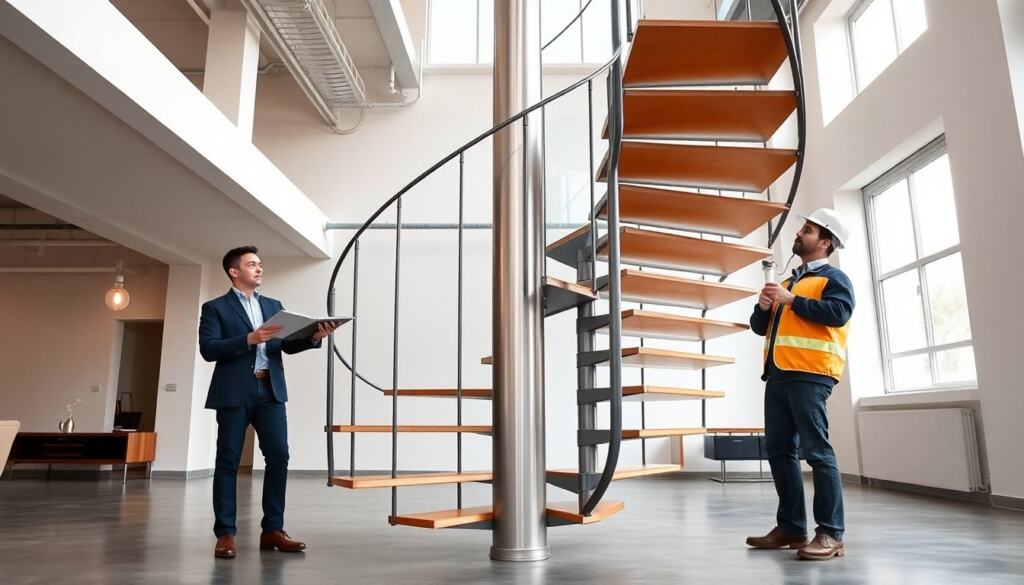
Homeowners install a steel spiral staircase in small apartments, lofts, and basements where straight stairs are impractical. Retailers use a steel spiral staircase to connect showroom levels without blocking displays. Garden designers place a steel spiral staircase outdoors to access terraces or treehouses. Interior designers select a steel spiral staircase in minimalist, industrial, or modern styles. They pair raw steel with wood treads for warmth. They paint a steel spiral staircase to match trim or to create a bold accent. Designers also specify glass panels with a steel spiral staircase for a light, open look.
Practical configurations vary by use: narrow-diameter units are common in tight residential openings, while wider diameters and broader treads are preferred in commercial or hospitality settings for higher traffic. Design touches — perforated steel treads, decorative balusters, inset lighting, or mixed-material handrails — let the same steel spiral staircase read as elegant, rugged, or contemporary. Consider sight-lines and traffic patterns: an open-riser steel spiral staircase maintains visual connection between floors, while closed treads can reduce noise and increase perceived solidity.
Steel Types, Strength And Corrosion Resistance
Fabricators commonly use mild steel for affordable, strong spiral stairs. Structural steel offers higher strength for commercial or heavy-use applications. Stainless steel gives superior corrosion resistance and low maintenance for wet or coastal locations. Galvanized steel receives a zinc coating to prevent rust at a lower cost than stainless steel. Engineers calculate load using clear rules for tread width, rise, and central column size to make a safe steel spiral staircase. Buyers should ask for test data or an engineer stamp when the steel spiral staircase will carry heavy equipment or many users.
When comparing metals, also consider connection details and fasteners: bolted joints are convenient for kits, while welded joints increase rigidity for custom steel spiral staircase installations. Surface treatment choices affect longevity — primer plus quality topcoat or powder coating will extend life indoors; hot-dip galvanizing or specifying marine-grade stainless is advisable for exposed outdoor steel spiral staircase locations. Ask a supplier about the material thickness (gauge), central column diameter, and how the design distributes loads; these factors strongly influence stiffness and vibration underfoot.
Finishes, Coatings, And Weatherproofing Options
Workshops apply powder coat paint to a steel spiral staircase for a durable, even finish. They use wet paint for quick touch-ups and matched colors. Fabricators hot-dip galvanize a steel spiral staircase to protect against long-term corrosion. For marine settings, they use 316 stainless steel on a steel spiral staircase to resist salt air. Workers add sealants at joints on an outdoor steel spiral staircase to stop water entry. Regular cleaning and occasional touch-up paint keep the finish on a steel spiral staircase functional and attractive.
Select finishes with both appearance and maintenance in mind: textured powder coats hide scuffs better than glossy finishes, while brushed stainless lends a high-end look with minimal upkeep. For external installations, detail the top and underside of treads, bolted connections, and mounting plates — water traps and crevices accelerate corrosion if left unsealed. Finally, confirm warranty terms for finishes and what maintenance is required to keep that warranty valid for your steel spiral staircase.
Sizing, Layout, And Building Code Considerations
Designers measure floor-to-floor height first to size a steel spiral staircase. They choose the diameter to allow comfortable walking and to meet code. Many codes set a minimum tread depth and a maximum rise per step for a steel spiral staircase. Codes often require a minimum headroom clearance above a steel spiral staircase. Guards and handrails must meet height and strength rules for a steel spiral staircase. Homeowners should check local code and get any required permits before ordering a steel spiral staircase. Inspectors will verify that a steel spiral staircase meets approved drawings and installation details.
Practical checklist items to confirm before purchase: accurate floor-to-floor measurement, clear opening size (including any soffits or ducts), preferred rotation direction, and landing attachment details. Consider people using the stair — children, elderly, or those carrying objects — and select a diameter and tread profile accordingly. Temporary mock-ups (cardboard or tape outlines on the floor) help visualize clearance and circulation. Finally, request plan drawings and, if required, structural calculations from the supplier so installers and inspectors have the documentation needed for a smooth approval of the steel spiral staircase.
Installation Options: Prefab Kits Vs. Custom Fabrication
Buyers can choose prefab kits for a steel spiral staircase when they need quick delivery and lower cost. Manufacturers ship prefab kits with cut treads, a central column, and hardware for a steel spiral staircase. Kits suit standard floor heights and common diameters. Custom fabrication fits irregular openings, unusual heights, or bespoke design for a steel spiral staircase. Fabricators weld and fit each piece for a custom steel spiral staircase and can match structural needs exactly. Custom work costs more and takes longer than a steel spiral staircase kit but offers full control of details.
Decision factors include site access, lifting equipment, and tolerance for variation. Kits simplify logistics and are well suited to homeowner or small-contractor installs where components can be carried through tight entries. Custom steel spiral staircase jobs often require a site survey, templates, and professional installers with welding and alignment tools to ensure plumb and secure mounting. Ask suppliers what is included: finish, anchor bolts, handrails, and on-site adjustments; missing items or assumptions can add cost and delay.
DIY Installation Checklist Versus When To Hire A Pro
A homeowner can install a small kit when they have tools and a clear opening for a steel spiral staircase. The homeowner must follow the maker’s instructions and confirm fastener torque and anchor type for a steel spiral staircase. A checklist should include level setup, secure anchoring, guardrail attachment, and tread alignment for a steel spiral staircase. Hire a pro when the project needs welding, structural anchoring, or code sign-off for a steel spiral staircase. A contractor will handle permits, engineer requirements, and safe lifting for a larger steel spiral staircase.
Simple DIY checklist: verify kit compatibility with your floor-to-floor height; pre-fit treads on the central column on the ground; ensure you have two or more helpers for safe lifting; use a torque wrench for critical fasteners; and perform a final inspection of handrail continuity and guard spacing. Hire a professional if you cannot confirm footing conditions, if the stair anchors to a structural beam, or if local code requires engineered drawings or a stamped design for the steel spiral staircase. A qualified installer reduces the risk of rework and helps ensure the finished staircase is both safe and visually aligned with your design intent.