Vintage metal bed frame sits at the center of renewed bedroom interest. They offer history, shape, and strong structure. Buyers want authenticity, value, and simple care. This guide helps them pick a good frame, fix common damage, and style the piece to fit modern rooms.
Key Takeaways
- A vintage metal bed frame offers durable, authentic design that fits many decor styles while providing affordable bedroom character.
- When buying a vintage metal bed frame, carefully inspect metal gauge, joint stability, rust, and size compatibility with modern mattresses.
- Restoration involves removing surface rust, priming, and painting, but complex repairs like broken welds should be handled by professionals.
- Styling a vintage metal bed frame works best with muted linens, complementary color palettes, and simple room arrangements that highlight the frame’s features.
- Selecting a vintage metal bed frame means choosing a piece with strong structure and maker marks to ensure quality and value.
Why Vintage Metal Bed Frames Are Making A Comeback
Vintage metal bed frame draws attention from designers and shoppers. They show clear lines and honest materials. Collectors value original finishes and maker marks. Shoppers seek these frames for durability and low cost compared with new designer beds. Social media features period rooms and minimal setups. That exposure drives demand. Buyers like that a vintage metal bed frame can fit many decor styles. They pair well with wood, glass, and simple textiles. Older frames often use iron or steel and join with welded or bolted connections. These details add character and make restoration easier. Many frames also come in full, queen, and king sizes. This range helps buyers pick a frame that matches a mattress and room size. In short, a vintage metal bed frame offers design, strength, and an affordable way to add personality.
How To Evaluate And Buy A Vintage Metal Bed Frame (What To Look For)
They inspect a vintage metal bed frame before they buy. They check for straight rails and firm joints. They look for heavy gauge metal rather than thin hollow tubing. They test wobbles by applying light pressure at the head and foot. They look for rust, deep pitting, or hairline cracks. Surface rust is common and usually fixable. Deep pitting may require part replacement. They verify the frame size and bolt pattern to match modern mattresses and slats. They note maker stamps, reproductions, and repair history. They ask the seller for photos of all sides and the underside. They compare price to local salvage and online listings. They check shipping or pickup costs. They factor restoration cost into the total. They confirm that missing parts, such as side brackets or slats, are available or easy to make. They prefer frames with intact headboard and footboard mounts. They avoid frames with structural bends or collapsed rails. They read seller reviews when buying online. They document any flaws in writing before payment. They request a short return window when possible.
Restoration And Repair: Tools, Techniques, And When To Call A Pro
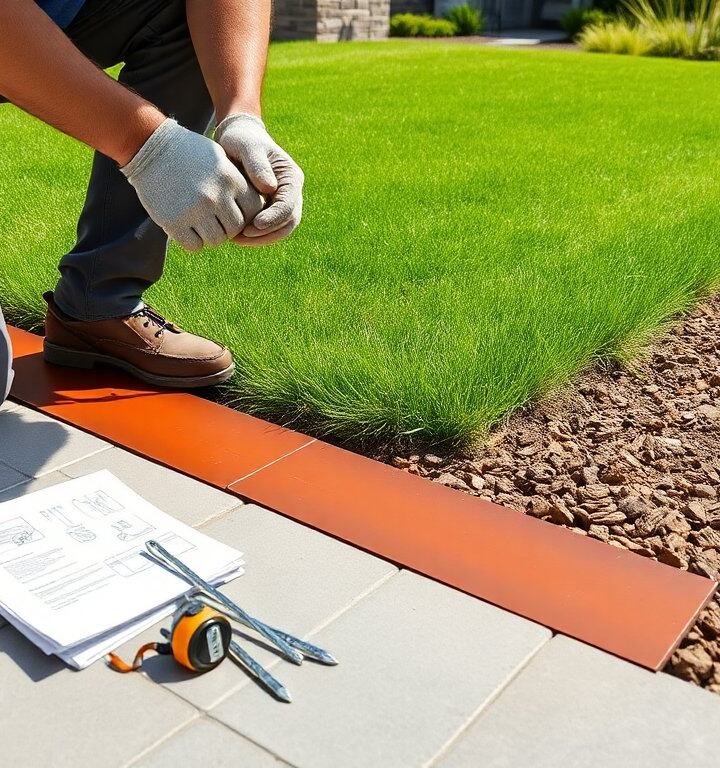
They gather tools before they work on a vintage metal bed frame. They use wire brushes, sandpaper, rust remover, and a drill with wire wheel attachment. They wear gloves and eye protection. They remove loose paint and surface rust first. They sand the metal to bare, clean metal in areas that will be painted. They apply rust converter to small pits. They use metal filler sparingly for shallow pitting. They prime with a metal primer and then apply a durable paint in thin coats. They allow full cure between coats. For broken welds or bent rails they consult a welder. A professional welder will repair heavy structural damage and reattach headboard mounts safely. For original decorative trim that has value they seek a conservator or specialist. They replace missing bolts with stainless steel hardware to avoid future rust. They use felt pads or rubber caps on feet to protect floors. They tighten all fasteners and test the frame with a mattress and weight. They inspect for squeaks and add felt or rubber between metal contacts. They request professional help if the frame is expensive, rare, or if repair requires frame heating or re-straightening.
Styling And Placement: Bedding, Color Palettes, And Room Pairings
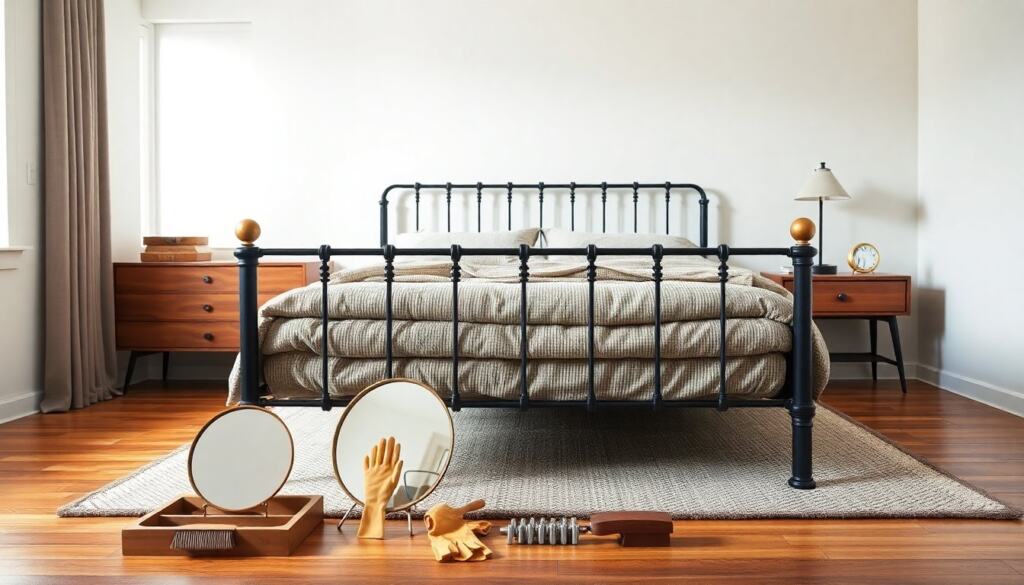
They choose bedding to highlight a vintage metal bed frame. They pick linens with clear textures and muted colors to balance metal lines. They use layered quilts and a simple duvet to add comfort without hiding the frame. They match pillow shapes to the headboard height. They select color palettes that contrast or complement the metal finish. For black or dark iron frames they use light linens and warm wood tones. For white or brass frames they use deeper jewel tones or soft pastels. They place the frame against a solid wall to show the headboard shape. They center the frame under a window when natural light enhances metal details. They pair the frame with bedside tables that match the room scale. They add a rug under the bed to anchor the space and define a sleep area. They use lighting to highlight the frame details: a bedside lamp will cast soft shadows on metal work. They add one or two vintage objects, such as a mirror or clock, to echo the bed period. They avoid over-cluttering the space so the frame remains the focal point. They rotate bedding seasonally to keep the look fresh.