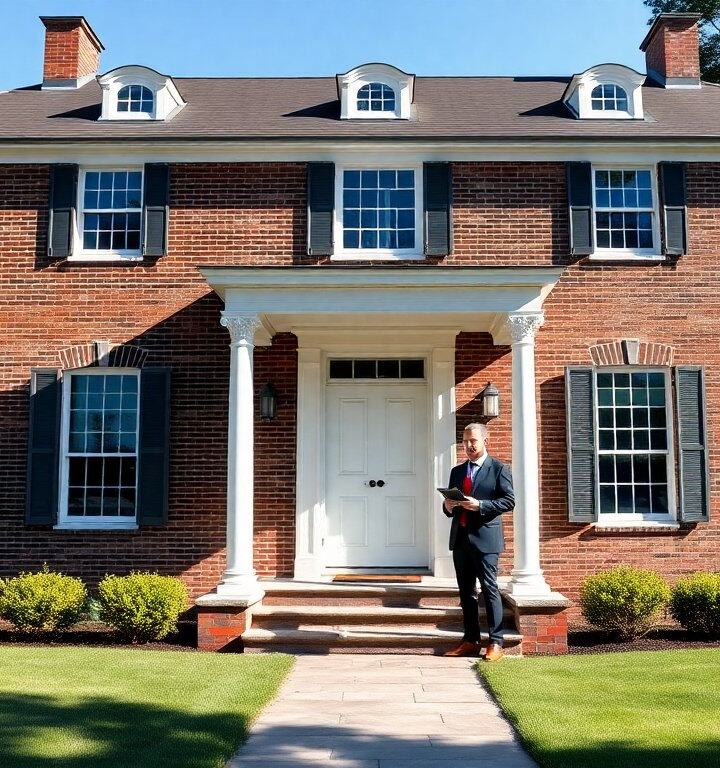

An edwardian style house remains a clear favorite for buyers and renovators in 2026. It offers high ceilings, large windows, and thoughtful proportion. This article explains what an edwardian style house looks like, how to spot key features, and how to add practical upgrades. Readers will get concise guidance on materials, color, furnishings, and energy improvements for real houses.
Key Takeaways
- An Edwardian style house features high ceilings, large windows, and balanced proportions promoting natural light and comfortable flow.
- Key architectural cues include simpler classical details, gently sloped roofs, modest bay windows, and plain porches with square columns.
- Authentic materials like brick, lime render, soft interior paint colors, natural wood floors, and cast iron fixtures enhance the Edwardian style house’s longevity and period accuracy.
- Interior decor blends vintage furniture with modern comfort, using layered lighting and natural textiles to maintain a lived-in yet stylish feel.
- Renovations focus on energy efficiency upgrades like insulation and double glazing while preserving original sash windows, plaster, and timber details to maintain the Edwardian style house’s character.
What Defines An Edwardian Style House: History, Scale, And Design Principles
An edwardian style house dates to the early 1900s. Architects moved away from heavy Victorian ornament. They favored simpler lines, more light, and balanced rooms. Builders used larger windows and shallower bay windows. Rooms opened to one another to improve flow. Homeowners often find a formal front room, a modest dining room, and a service wing. Scale feels generous but not vast. Design favors proportion, light, and restrained decoration. The edwardian style house values comfort and clarity in spatial layout and visual detail.
Key Architectural Features To Recognize An Edwardian Home
The edwardian style house shows a set of repeating cues on exterior and interior faces. It uses classical details in simpler forms. Proportions stay balanced. Roofs often slope gently. Windows grow in size. Porches appear with plain columns. Inside, moldings shrink in scale. Fireplaces remain focal points but wear less carving. Staircases place emphasis on straight runs and newels with modest caps. The edwardian style house blends traditional grammar with lighter, more modern feeling.
Exterior Elements: Facades, Rooflines, Windows, And Porches
Facades on an edwardian style house often use brick or rendered stucco. Rooflines use low pitches and short eaves. Bay windows appear but they sit lower and wider than Victorian bays. Timber sash windows provide vertical rhythm and let in light. Porches use plain posts or square columns and simple balustrades. Decorative tile can appear around entrances and on steps. Garden space sits close to the house to frame the facade. These exterior elements give the edwardian style house a tidy, sunlit presence on the street.
Typical Materials, Finishes, And Color Palettes For Authenticity
Authentic finishes support an edwardian style house without copying past excess. Brick and lime render suit exterior walls. Soft paint colors work best inside: cream, sage, muted blue, and warm white. Natural wood floors and muted tiles appear in entryways and kitchens. Metalwork often uses cast iron for radiators and simple brass for fittings. Plaster moldings stay shallow and neat. Homeowners should choose breathable paints and conserved timber to keep fabric healthy. These material choices help an edwardian style house look correct and last longer.
Decorating And Furnishing An Edwardian Interior: Balancing Period Style With Comfort
Decorators aim to make an edwardian style house feel lived-in and current. They mix period pieces with modern seating and lighting. A simple sofa pairs with a vintage sideboard. Rugs add warmth on narrow floorboards. Curtains hang at window height to frame light rather than block it. Wall art stays modest in scale and groups in simple layouts. Lighting uses layered sources: a central pendant, task lamps, and wall lights. Textiles favor natural fibers. This approach keeps the house comfortable while honoring its character.
Renovating An Edwardian House: Modern Upgrades, Energy Efficiency, And Preservation Tips
Renovators treat an edwardian style house with care. They add insulation in lofts and under floors where space allows. They install secondary glazing or slimline double glazing to keep original sash frames. They upgrade heating to a modern condensing boiler or a heat pump and keep original radiators where possible. They rewire systems to current standards and add discreet LED lighting. They repair plaster rather than replace it if possible. They match new timber to existing profiles for doors and skirtings. They document changes and keep key features visible. These steps improve comfort and value while keeping the house true to its edwardian style.