People often ask how to tell an edwardian vs victorian house quickly. This guide gives clear visual cues and practical choices. It lists exterior signs, interior signs, and material differences. It explains which style fits modern life and what to consider for renovation. The text uses direct language and simple sentences for fast comparison and decision making.
Key Takeaways
- A Victorian house features steep roofs, ornate trim, and smaller windows, while an Edwardian house offers simpler rooflines, broader porches, and larger sash windows.
- Victorian interiors have lower ceilings, dark woodwork, and compartmentalized rooms, contrasting with Edwardian homes’ higher ceilings, open floor plans, and lighter finishes.
- Edwardian houses use cleaner materials and less ornamentation, making renovations and modern upgrades like insulation and wiring updates easier and more cost-effective.
- Victorian homes often require specialist repairs for decorative plaster and stringent conservation rules, whereas Edwardian houses typically fall under less restrictive planning controls.
- When choosing between Edwardian vs Victorian houses, consider your preference for period detail versus natural light, renovation complexity, and maintenance costs to fit modern living needs.
- Inspect multiple properties thoroughly, focusing on ceilings, windows, wiring, and repair history to determine which architectural style aligns with your lifestyle and budget.
Quick Visual Differences At A Glance
Exterior Cues: Rooflines, Bay Windows, Porches, And Ornament
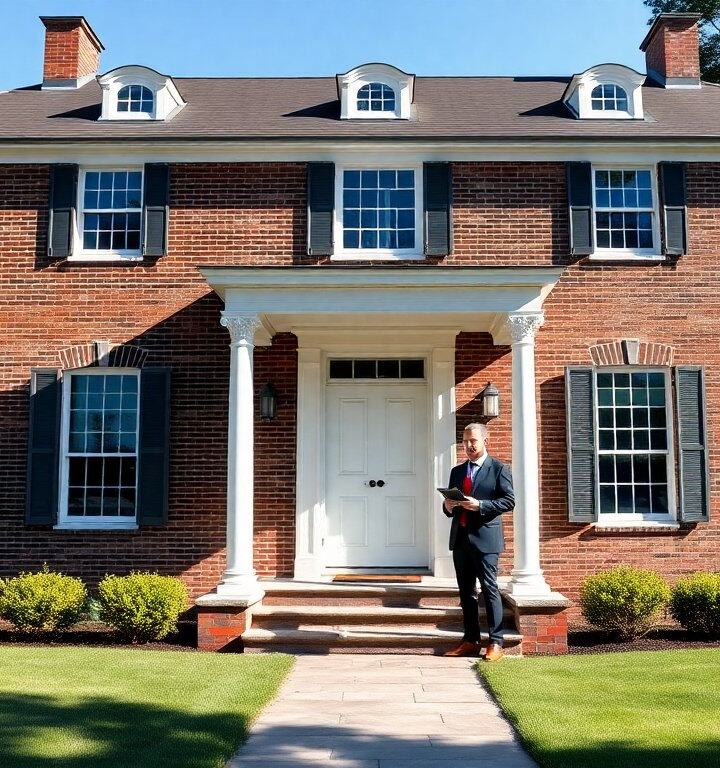
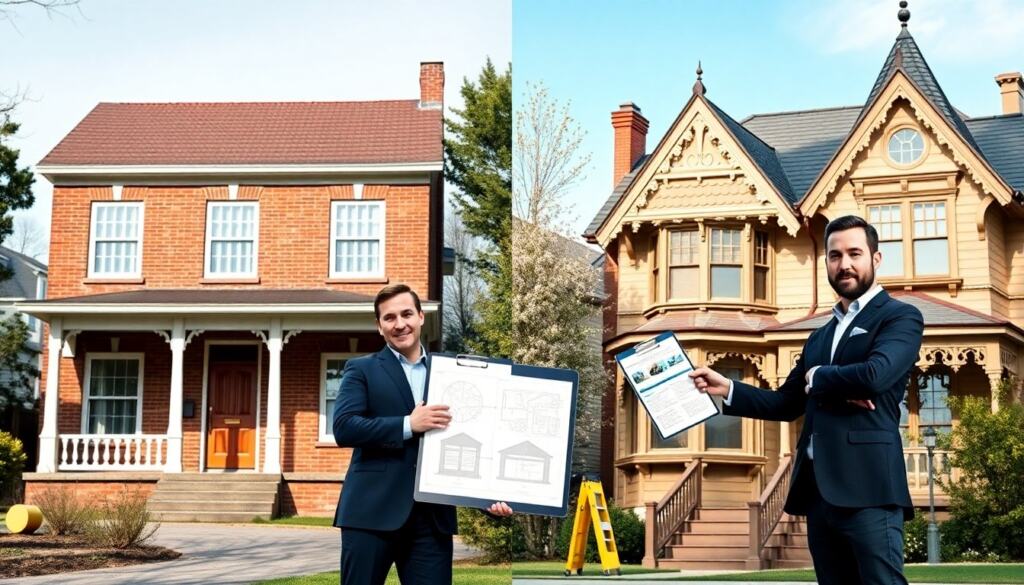
Edwardian vs Victorian house exteriors differ in scale and detail. A Victorian house shows steep roof pitches and layered gables. It often has ornate vergeboards, spindlework, and dense decorative trim. A Victorian house uses patterned brick, fish-scale shingles, and tall chimneys. A Edwardian house shows simpler rooflines and larger, plainer eaves. It often has broader porches with square posts and restrained cornices. A Edwardian house favors sash windows with clear panes and wider bay windows.
Interior Cues: Ceilings, Floor Plans, Woodwork, And Light
A Victorian house often has lower ceiling heights in secondary rooms and many small, separated rooms. It shows heavy moldings, dark staircases, and built-in cabinetry with Victorian carving. A Edwardian house has higher ceilings in main rooms and a more open flow. It shows simpler woodwork, plate rails, and larger window openings that let in light. In a Victorian house, rooms connect through narrow halls. In a Edwardian house, rooms open into wider corridors or through archways.
Architecture, Materials, And Decorative Details
Builders in the Victorian era used elaborate decoration and varied textures. A Victorian house often mixes materials on the same facade. Homeowners see brick, stone trim, patterned shingles, and decorative ironwork. Interior finishes in a Victorian house include heavy plaster cornices, encaustic tiles, and dark wood floors.
Builders in the Edwardian era moved toward cleaner forms and lighter materials. A Edwardian house often uses longer runs of plain brick, simple stone sills, and timber porches. Interior finishes in a Edwardian house include plaster with simple cornices, pine floors, and painted trim. The Edwardian style reduces applied ornament and emphasizes proportion over surface decoration.
A prospective buyer can check joinery and nails to date a house. Victorian houses often use balloon framing and cut nails in early examples. Edwardian houses show more machine-made nails and platform framing. A Victorian house may retain original gas fittings or early electrical wiring. A Edwardian house often has more complete early electric work and central heating provisions. These clues help experts confirm an edwardian vs victorian house.
Which Is Better For Modern Living? Layout, Light, And Renovation Considerations
A buyer must weigh layout and light when choosing between an edwardian vs victorian house. A Victorian house offers period detail and rooms with clear functions. It often requires more work to open sight lines and add large bathrooms. A Edwardian house offers larger windows and simpler rooms. It often requires less structural change to create open-plan living.
A renovator should assess load-bearing walls and floor joists. A Victorian house may use ornate plaster ceilings that need specialist repair. A Edwardian house often has simpler ceilings that contractors can repair more cheaply. Plumbers and electricians find Edwardian wiring easier to update because the runs follow more regular layouts.
Energy upgrades matter for both styles. A Victorian house may need deep wall insulation and double glazing that respects original frames. A Edwardian house often accepts insulation and modern windows with fewer visual conflicts. Either house can gain efficiency with insulated lofts, cavity wall solutions where present, and modern heating systems.
Planning controls and conservation rules affect work on both house types. A homeowner should check local listing status before altering features. A Victorian house with original facades often attracts stricter controls. A Edwardian house sometimes falls into a less restrictive planning bracket, but this varies by area.
Cost and resale factors also matter. A buyer who values period ornament may prefer a Victorian house and accept higher maintenance. A buyer who values light and straightforward renovation may prefer an Edwardian house and save on initial alteration costs. Local market taste will influence resale and should inform the final choice.
Practical steps help decide. Visit multiple properties of both types. Measure ceiling heights and window sizes. Inspect foundations, roofs, and wiring. Ask for repair histories and recent surveys. These steps clarify which style meets daily needs and budget when choosing between an edwardian vs victorian house.